
Children's vision care in Waco, TX
Helping little eyes see a brighter future
Your child's world is full of things to discover, learn and explore. Clear, comfortable vision plays an important role in every stage of that journey.
At Green Eye Associates, we believe caring for your child's eyes means more than checking how well they can see. It's about supporting healthy visual development, finding potential concerns early, and helping children feel comfortable and confident throughout their eye care.
Whether your child is preparing for school, having changes in their vision, or simply due for a routine eye exam, our team is here to help.
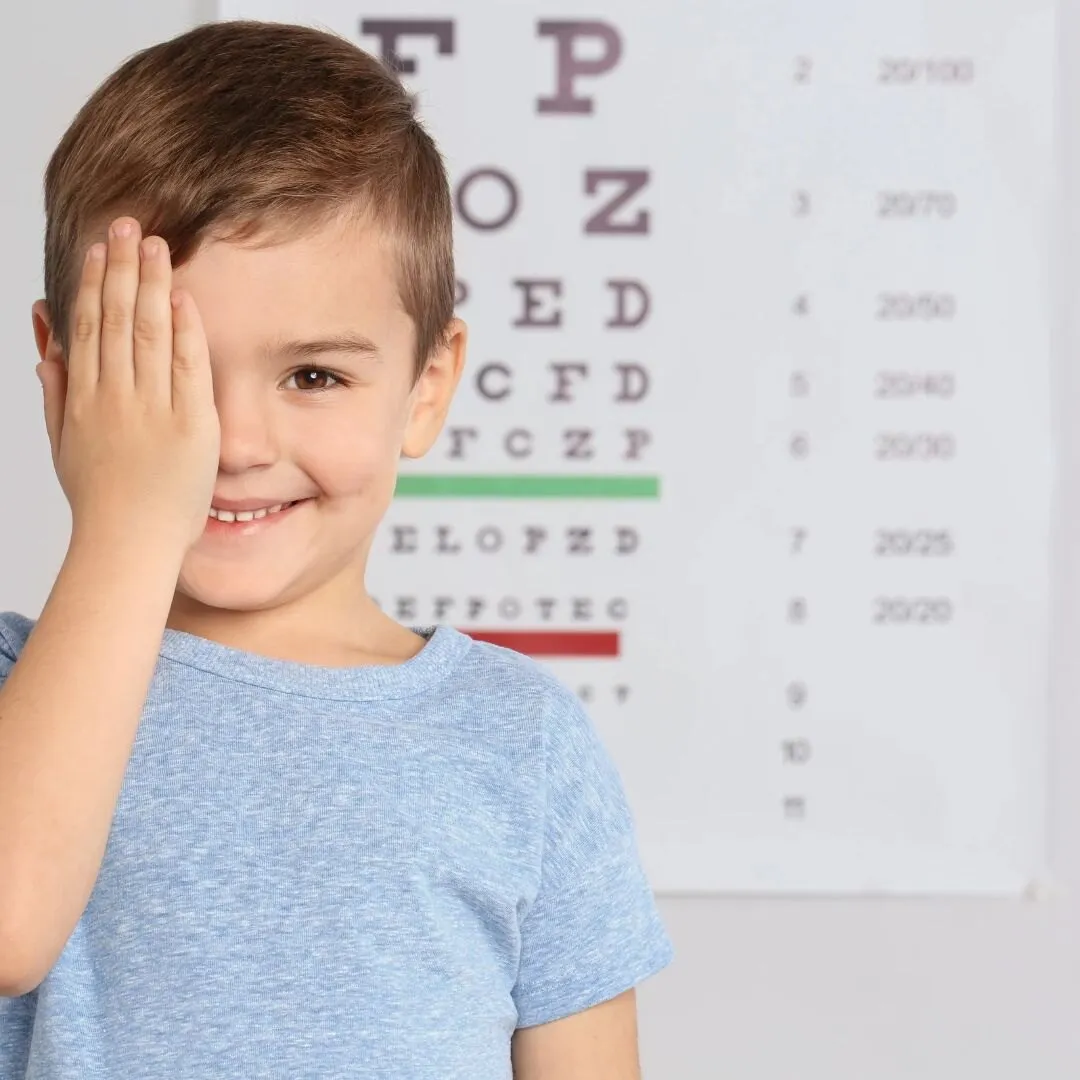
Why children's eye exams matter
Good vision is essential to how children learn, play and interact with the world around them.
Because children's eyes are still developing, vision problems can go unnoticed. A child may not realize their vision is blurry, or that they see differently from others.
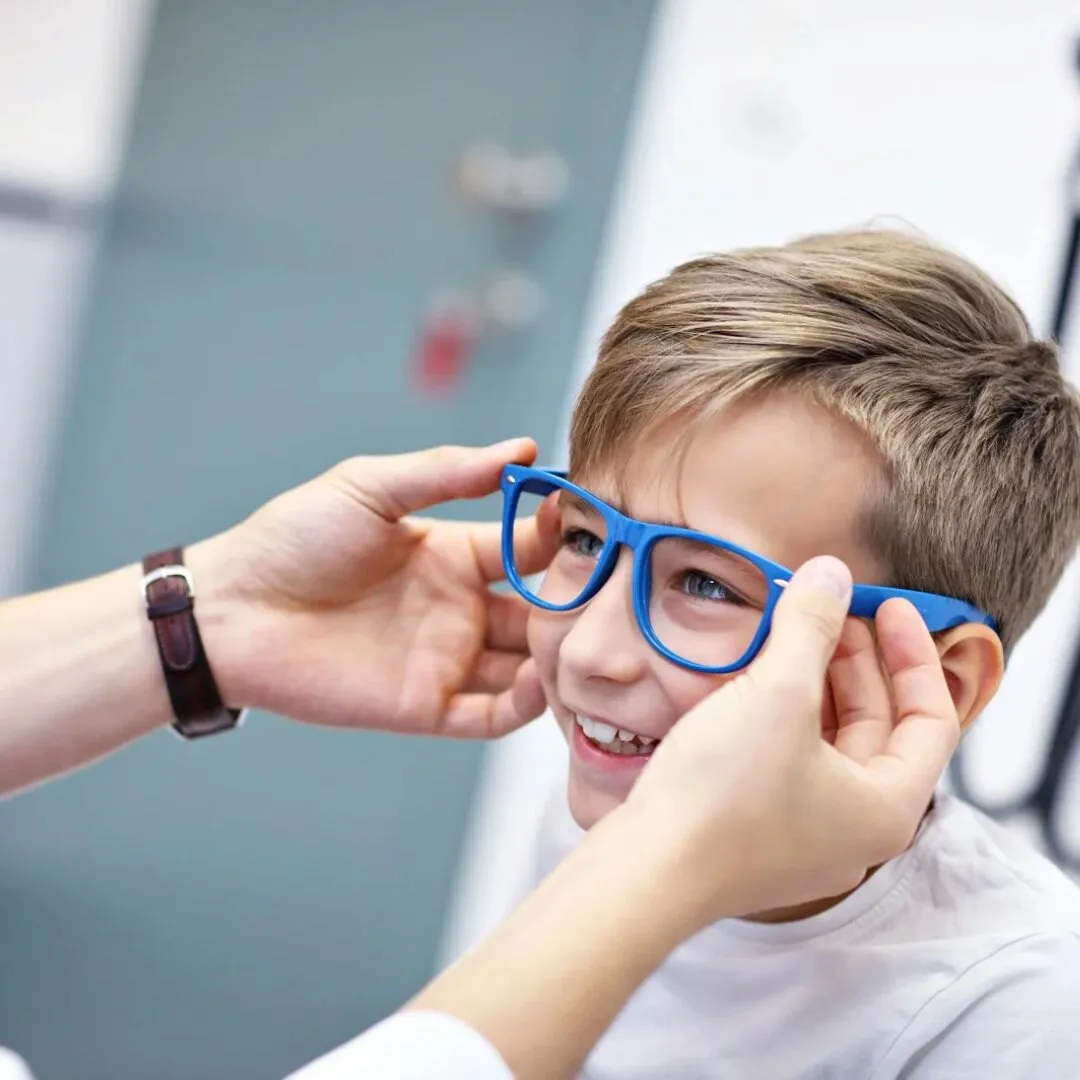
Regular comprehensive eye exams can help find concerns that may affect their visual development, comfort and everyday activities. Children's eye exams can help detect:
Nearsightedness (myopia)
Difficulty seeing objects clearly at a distance.
Farsightedness (hyperopia)
A focusing condition that may contribute to eye strain or blurry vision.
Astigmatism
Blurred or distorted vision caused by differences in the eye's curvature.
Eye teaming and focusing difficulties
Challenges with how the eyes work together or adjust focus.
Amblyopia (lazy eye)
Reduced vision in one eye, or sometimes both, that develops during childhood.
Strabismus (eye misalignment)
A condition in which the eyes don't consistently point in the same direction.
Early identification allows your optometrist to recommend the right care and, when needed, watch for changes as your child grows. Learn more about our comprehensive eye exams.
Signs your child may need an eye exam
Children don’t always know how to explain when something is wrong with their vision. As a parent, you may notice small changes in their behavior or everyday habits.
Some common signs of a possible vision concern include:
- Squinting or closing one eye to see clearly
- Sitting unusually close to screens or holding books close
- Rubbing their eyes or blinking often
- Complaining of headaches or tired eyes
- Losing their place while reading
- Having trouble focusing on near or distant objects
- Tilting their head to see more clearly
- Avoiding activities that need sustained visual attention
These signs don’t necessarily mean your child has a vision problem, but they may mean a comprehensive eye exam would be helpful.
What to expect during your child’s eye exam
We understand that visiting an eye doctor can be a new experience for children and their parents. Our goal is to make each visit welcoming, comfortable and informative.
During a comprehensive children’s eye exam, your optometrist may check:
- Visual clarity: how clearly your child sees at different distances.
- Eye coordination and movement: how well the eyes line up, move and work together.
- Focusing ability: how well your child’s eyes shift focus between near and distant objects.
- Eye health: the overall health of the eyes, including any concerns that may affect vision.
- Prescription needs: whether glasses or other vision correction may help your child see more clearly and comfortably.
The exam is tailored to your child’s age, development and needs. Our team will explain what we find, answer your questions and talk through any next steps.
When should children have their eyes examined?
Healthy vision begins early, even before children can read an eye chart.
The American Optometric Association recommends a comprehensive eye exam between 6 and 12 months of age, another between ages 3 and 5, and one before first grade. School-age children should generally have an eye exam every year, or as recommended by their optometrist.
Children with vision concerns, certain medical conditions or a family history of eye problems may need exams more often.
It’s also important to know that a school vision screening is not the same as a comprehensive eye exam. Screenings can find some concerns, but they may not catch every vision or eye health problem.
Myopia management
Nearsightedness (myopia) makes distant objects look blurry. Glasses or contact lenses correct that blur, so your child can see clearly today. Myopia management goes a step further: it aims to slow how quickly nearsightedness progresses as your child grows.
Because children’s eyes keep changing, myopia management is an ongoing, personalized approach rather than a one-time prescription:
- An initial evaluation. Your optometrist measures your child’s vision and prescription, checks their eye health and talks with you about their history and everyday habits.
- Periodic follow-up visits. Regular visits let us monitor how your child’s myopia is changing and whether their care plan needs adjusting.
- Recommendations made for your child. Treatment suggestions depend on your child’s age, eye health, prescription and exam findings. Not every option is right for every child.
Options your optometrist may discuss include:
- MiSight® 1 day contact lenses. Soft, daily disposable contact lenses designed for children. They correct blurry distance vision while also working to slow the progression of myopia.
- Orthokeratology (Ortho-K) lenses. Specially designed lenses worn overnight that gently reshape the front surface of the eye, so your child can see clearly during the day without glasses or daytime contact lenses. Ortho-K is also used as part of myopia management.
- Prescription eye drops. Eye drops prescribed and monitored by your optometrist that may help slow myopia progression.
- Bifocal eyeglasses. When clinically appropriate, bifocal lenses may be recommended as part of your child’s care.
Your optometrist will explain the benefits, considerations and commitment involved with each option, so you can decide together what fits your child and your family.
Supporting your child’s vision as they grow
From early childhood through the school years and beyond, your child’s visual needs keep changing. Regular eye care helps us watch for those changes and make recommendations based on their needs.
Whether your child needs their first pair of glasses, has trouble seeing the board at school, or feels visual discomfort during schoolwork, we’re here to help guide you through the next steps.
Our approach focuses on clear communication, thoughtful care, and helping families make informed decisions about their children’s eye health. Meet our eye doctors.
Children's vision FAQs
What's the difference between a school vision screening and a comprehensive eye exam?
A school vision screening usually checks for certain vision concerns, often focusing on distance vision. A comprehensive eye exam looks at a wider range of visual skills and eye health, including focusing, eye coordination and possible eye conditions.
Can children have vision problems even if they don't complain?
Yes. Children may assume everyone sees the way they do, especially if they've never had clear vision. This is one reason routine comprehensive eye exams are important.
What if my child is too young to read an eye chart?
Children don't need to know their letters to have an eye exam. Optometrists use age-appropriate techniques to check vision and eye health in younger children.
Does my child need an eye exam if they passed their school vision screening?
A comprehensive eye exam is still recommended. School screenings are useful, but they don't check every part of vision and eye health.
How often should my child have an eye exam?
It depends on your child's age, vision, eye health and individual risk factors. School-age children generally benefit from a comprehensive eye exam every year, and some children may need care more often.
Give your child a clearer view of the world
Every stage of childhood brings new experiences, and healthy vision helps children make the most of them.
At Green Eye Associates, we're committed to helping families understand and care for their children's vision with compassion and personal attention.
Whether it's their first eye exam or a routine visit, we look forward to welcoming your family.