Is blue light bad for your eyes?
By Dr. Leigh Anne Green
What blue light really does, when blue light glasses can help, and when they aren't needed.
At the end of an exam, I always ask, “Do you have any more questions for me?” Often, patients pause and ask: “Is blue light really that bad for my eyes? Do I need the glasses I keep seeing in ads?”
I once wondered the same thing. Then I looked at the science.
What blue light is
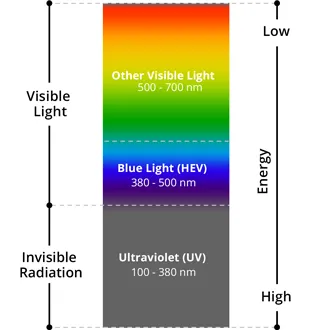
Blue light is high-energy visible light, close to the invisible ultraviolet (UV) part of the light spectrum. We know UV light can harm our skin and eyes, which is why we wear sunscreen and sunglasses. Blue light has always been around us, and concerns about how much time we spend close to screens have fueled the market for blue light glasses.
Sunglasses still matter most
The best thing you can do for your eyes outdoors is wear sunglasses. There’s more UV and blue light in sunshine than from your computer screen.
When blue light filters can help
Blue light filters aren’t without purpose:
- Less glare. Filtering lenses cut incoming light slightly, giving everything a warmer tone with less glare. I often recommend a blue-light-filtering coating for people who are sensitive to light or prone to headaches.
- Better sleep. Too much blue light in the evening can signal your brain to stay awake. Blue light protection can help you feel sleepy at the right time.
When you probably don’t need them
If you aren’t sensitive to light, don’t get frequent headaches and don’t work at a computer, I wouldn’t recommend blue light filters, especially non-prescription glasses bought online. They may look nice, but they aren’t medically necessary.
Have questions about screens and your eyes? Ask us at your next exam.